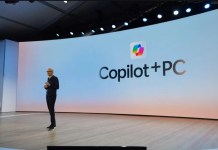

A newly leaked internal video has revealed Copilot OS, an experimental operating system Microsoft reportedly developed in 2024 under the codename Aion. The ambitious project reimagined personal computing by putting Microsoft Copilot at the center of every interaction, replacing the familiar Windows desktop, Start menu, and traditional navigation with a conversational AI interface.
Although the project never reached consumers, the leak offers a fascinating glimpse into Microsoft’s long-term vision for AI-powered computing—one where users interact with their PC primarily through natural language instead of icons and menus.
Copilot Replaced the Traditional Windows Desktop
Instead of launching applications from the Start menu or desktop shortcuts, Copilot OS allowed users to simply ask Copilot to perform tasks.
According to the leaked prototype, users could:
- Open applications using natural language
- Search for files and documents conversationally
- Browse the web through AI assistance
- Complete everyday tasks without navigating traditional Windows menus
- Control much of the operating system through a chat-like interface
This represented a dramatic departure from decades of Windows design, shifting from graphical navigation to an AI-driven experience.
Built Around Web Apps and Microsoft Edge
One of the biggest surprises from the leak is that Aion relied heavily on web applications rather than locally installed software.
Microsoft Edge served as the foundation for many experiences, with cloud-based web apps becoming the primary way users accessed productivity tools and services.
This lightweight approach could have reduced hardware requirements while keeping applications constantly updated through the web.
Windows 365 Was Meant to Handle Desktop Apps
Rather than running classic Win32 applications directly on the device, Copilot OS reportedly depended on Windows 365.
Whenever users needed traditional Windows software, the operating system would stream those desktop applications from Microsoft’s cloud.
This approach suggests Microsoft envisioned:
- Thin and lightweight devices
- Cloud-powered computing
- Reduced local storage needs
- Always-updated Windows environments
- AI acting as the primary interface between users and cloud resources
The strategy closely aligns with Microsoft’s growing investment in Windows 365, Cloud PC, and AI-powered productivity.
A Glimpse Into Microsoft’s AI-First Future
Although Aion never became a commercial product, many of its ideas have gradually appeared across Microsoft’s ecosystem.
Recent Windows releases have introduced:
- Deeper Copilot integration
- AI-powered search
- Natural language settings
- Cloud-connected productivity features
- AI assistants embedded across Microsoft services
The leaked prototype suggests Microsoft has been exploring AI-first operating systems much earlier than previously known.
Why Microsoft May Have Shelved Aion
Several factors may have prevented Copilot OS from launching publicly:
- Heavy dependence on reliable internet connectivity
- Limited offline functionality
- Enterprise compatibility challenges
- Performance concerns for cloud-streamed applications
- User preference for traditional Windows workflows
Instead of replacing Windows outright, Microsoft appears to have chosen a gradual approach by integrating Copilot into Windows 11 while continuing to expand AI capabilities over time.
What the Leak Means
The leaked video demonstrates that Microsoft seriously explored a future where AI would become the primary interface for computing. Rather than navigating folders, windows, and menus, users would simply describe what they wanted, with Copilot handling the rest.
While Aion remains an experimental project, its concepts continue to influence Microsoft’s AI strategy. Features once confined to internal prototypes are increasingly finding their way into Windows, Microsoft 365, Edge, and Copilot-powered PCs.
As AI becomes more deeply integrated into everyday computing, this leak provides an intriguing look at the direction Microsoft considered—and perhaps still envisions—for the future of Windows.
Keep yourself updated with all latest news about Microsoft Copilot by reading our full coverage here.
Please follow us on our Facebook page and X account for all latest and breaking Windows and Microsoft related news.