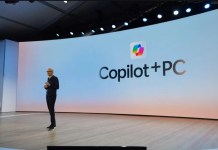

Newly leaked documents have shed more light on Microsoft’s secretive Project Aion, offering one of the clearest looks yet at the company’s vision for an agentic, AI-first operating system. Designed around Microsoft Copilot, Aion replaces many traditional desktop interactions with AI-powered workflows, hinting at what the future of personal computing could look like.
Although the project remains experimental, the leaked information suggests Microsoft has been exploring a radically different approach to Windows—one where AI becomes the primary interface rather than just another feature.
Copilot at the Center of the Experience
Unlike traditional versions of Windows, Project Aion is designed with Copilot as the central hub for interacting with the operating system.
Instead of relying on menus, folders, and desktop shortcuts, users can ask Copilot to:
- Launch applications
- Find files and documents
- Search the web
- Complete tasks using natural language
- Navigate the operating system through AI
This agentic approach shifts the focus from manually operating a PC to simply describing what you want to accomplish.
Built on a Modified Microsoft Edge Shell
According to the leaked documents, Aion is built on a modified Microsoft Edge shell, allowing the operating system to rely heavily on web technologies.
The platform was reportedly designed to work across multiple environments, including:
- Windows PCs
- Android devices
- A lightweight Windows variant known internally as Win3
This cross-platform foundation suggests Microsoft is exploring a future where AI experiences remain consistent regardless of the device being used.
A New Start Menu Powered by AI
One of Aion’s most significant changes is its redesigned Start experience.
Instead of acting as a launcher for installed programs, the Start menu becomes an AI command center where users interact directly with Copilot.
The interface is designed to understand natural language requests, making it easier to launch apps, retrieve information, and perform everyday tasks without navigating multiple menus.
Web Apps That Feel Like Native Software
The leaked documents also reveal a modern application model.
Rather than relying solely on traditional desktop software, web apps behave like native Windows applications, opening in their own windows and integrating naturally into the desktop experience.
This approach could reduce software complexity while enabling faster updates and seamless cloud integration.
Spaces Organize Your Work Automatically
Project Aion reportedly introduces a feature called Spaces, which intelligently groups related apps, files, and tasks together.
Instead of manually organizing windows, users can quickly return to previous workflows, making multitasking more intuitive.
The feature reflects Microsoft’s growing interest in contextual computing, where AI understands what you’re working on and helps you resume tasks effortlessly.
Windows 365 Supports Legacy Apps
To maintain compatibility with classic Windows software, Aion reportedly integrates with Windows 365.
Rather than running older desktop applications locally, the operating system can stream them from the cloud when needed.
This hybrid approach combines lightweight local computing with cloud-powered access to legacy software, reducing device requirements while preserving compatibility.
Multimodal Omnibox Simplifies Everything
Another standout feature is a multimodal omnibox capable of handling a wide variety of requests.
Users can reportedly use it to:
- Launch applications
- Search files
- Find web content
- Start workflows
- Execute AI-powered tasks
Instead of separate search boxes and menus, Aion aims to unify navigation into a single intelligent interface.
A Glimpse Into Microsoft’s AI Future
Whether Project Aion eventually becomes a commercial product or remains an internal research effort, the leaked documents provide valuable insight into Microsoft’s long-term AI strategy.
Many ideas explored in Aion—AI-powered search, Copilot integration, cloud computing, and intelligent workflows—are already appearing across Windows, Microsoft 365, and Copilot-powered PCs.
If Microsoft continues moving in this direction, Project Aion could represent an early blueprint for the next generation of personal computing, where AI becomes the operating system’s primary interface rather than just another application.
Keep yourself updated with all the latest AI news by reading our full coverage here.
Please follow us on our Facebook page and X account for all latest and breaking Windows and Microsoft related news.